
There’s speculation today we might see a stamp duty/SDLT “holiday”.1Apologies to all tax professionals, but I’m going to call SDLT “stamp duty” throughout this article.2 What effect have previous “holidays” had?
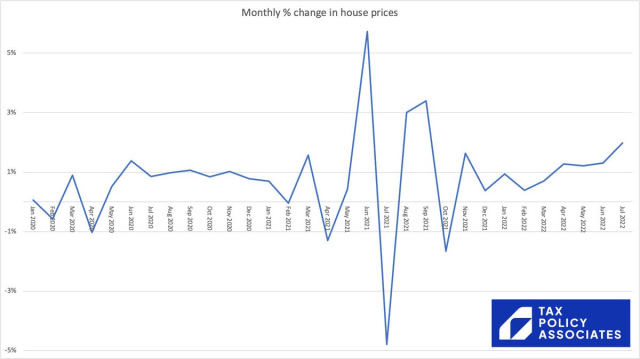
Here’s a chart showing changes in the average UK house price.

Guess what triggered the heart attack in the middle?
The big spike in June 2021 just happens to coincide with the last month of the £500k stamp duty “holiday”:
- Buy a £500k property in June 2021: £0 stamp duty.
- Buy in July 2021: £12,500.
So a nice stamp duty saving equal to 2.5% of the purchase price. But the chart shows a 5% price hike in June 2021, so – overall – buyers lost out. And the 2.5% figure is only achieved by properties worth £500k – the saving will be smaller for both cheaper and more expensive properties.
Then another price spike before the end of the £250k nil rate band in October:
- Buy a £500k property in September 2021: £12,500 stamp.
- Buy it in October: £15,000.
A stamp duty saving worth 0.5% of the house price – again swallowed by house price increases (and again for most people the average stamp duty saving would be less than 0.5%).
These look like irrational results: buyers would have been better off waiting til the “holidays” ended. That’s not necessarily right. Possibly lower stamp duty but higher house prices benefits buyers (as they can get a mortgage against the house price but not the stamp duty).
But irrationality is also likely a cause here – the desire to get your purchase in before the end of the holiday created a demand crunch with a dynamic of its own, even though waiting a week could have reduced overall costs.
These two factors, plus the “stickiness” of house prices mean that, even when the holiday is over, the increase in house prices appears to stick.
Previous stamp duty holidays had less dramatic effects: there’s good evidence⚠️ that the 2008/9 stamp duty holiday did lead to lower net prices, but 40% of the benefit still went to sellers, not buyers. There’s some published research on the 2021 holiday, but it was completed too soon to catch the September heart attack. I’m not aware of anything more recent.
So all of this suggests stamp duty holidays are a bad policy, an inefficient way of helping buyers, and perhaps even triggering price rises greater than the tax saving.
A permanent stamp duty change shouldn’t have so dramatic an effect *if* people believed it was permanent. But a chunk of the benefit would still be swallowed up in higher prices. And from a distributional point of view, stamp duty cuts are a way to hand money to those who already have it.
The bigger picture: residential stamp duty is a terrible tax because it discourages people from moving house when otherwise they’d want to. I’d scrap it, and replace the c£10bn of revenue with increased council tax on high-value properties (not hard, when council tax raises £42bn). In principle that would prevent the stamp duty cut from fuelling house price inflation.
But, whatever your view about the future of stamp duty, a “holiday” looks like a mistake.
Photo by David Vives🔒 on Unsplash🔒

Why Angela Rayner is likely to pay £8,000 in stamp duty penalties
Stamp duty is a terrible tax. We should abolish it – but there’s a price.
When tax cuts cost you money – the effect of previous stamp duty reductions
Tenancy reform: the accidental stamp duty headache for 150,000+ tenants
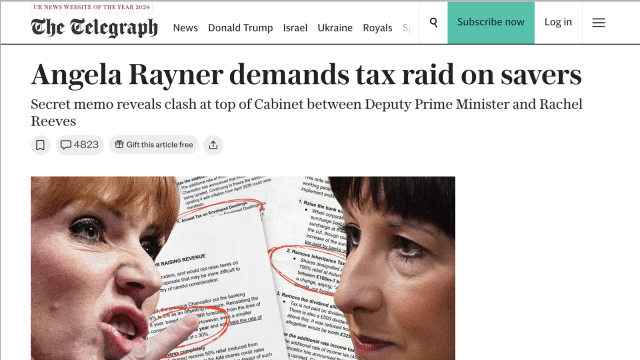
The Angela Rayner tax proposals – how much sense do they make?


Leave a Reply to Jason M Cancel reply